Current news and events

Can young blood slow down the aging process?

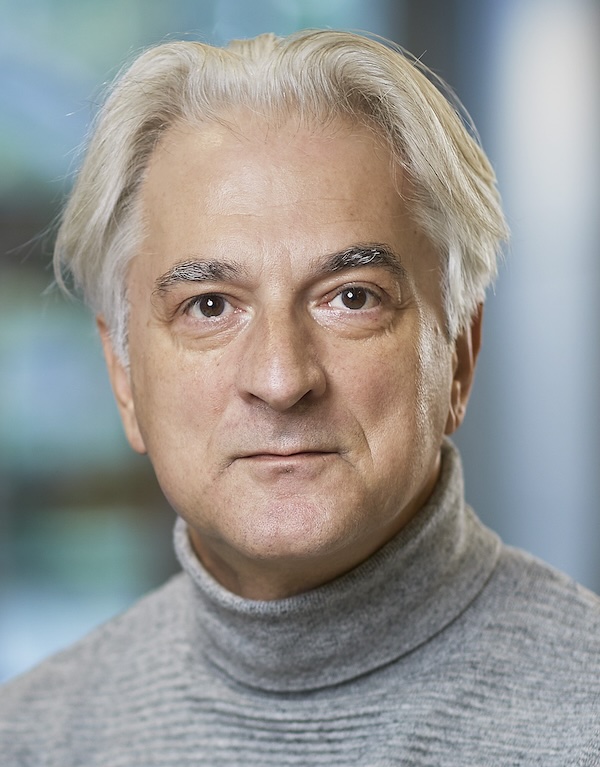
Arne Søraas
Arne Søraas

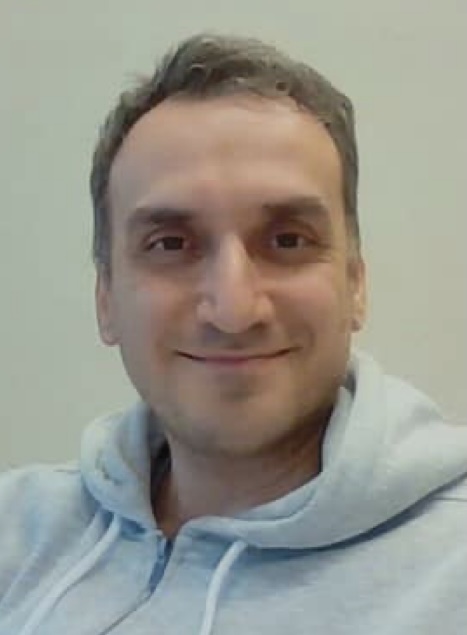
A research team led by Arne Søraas at Oslo University Hospital is competing for more than one billion NOK in an international XPRIZE contest to demonstrate that treatment with young blood plasma can slow the aging processes. The project’s primary aim is to investigate whether plasma from young donors can stabilize or reduce cognitive decline in patients with early Alzheimer’s disease. The idea may sound like science fiction, but it builds on longstanding animal experiments in which socalled parabiosis showed that blood from young animals can produce measurable improvements in the brain function of older animals.

Thomas Fleischer named Researcher of the Year 2025 at Institute for Cancer Research

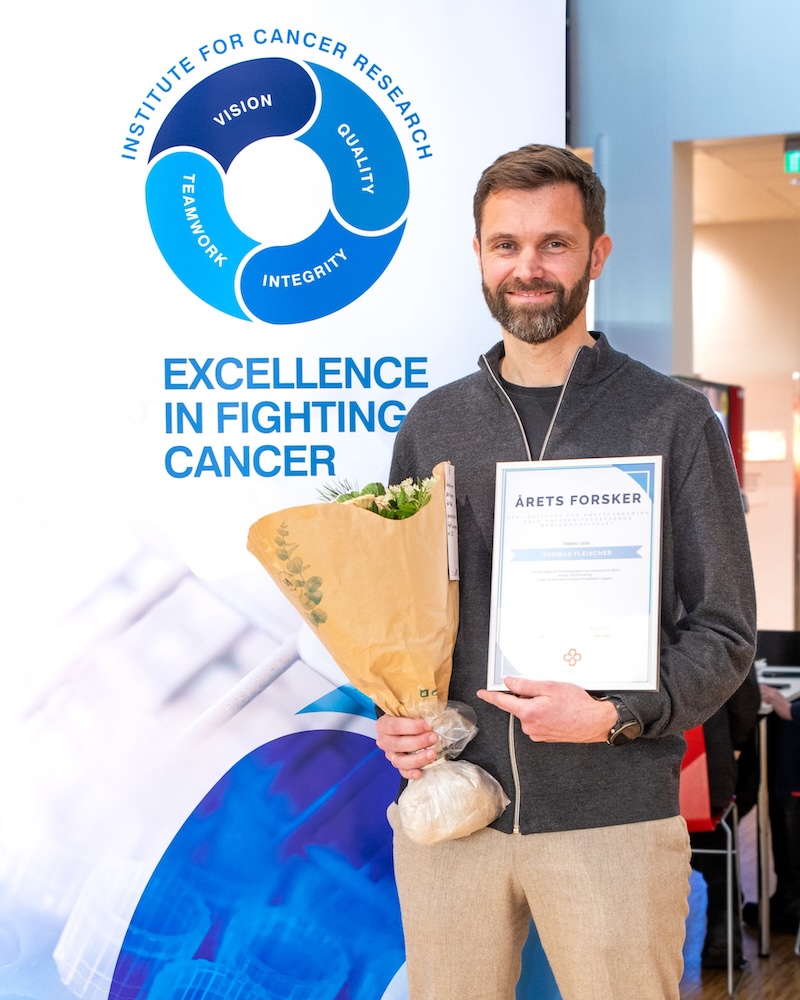
Thomas Fleischer. Photo: Per Marius Didriken, OUS.

Thomas Fleischer, project leader at Institute for Cancer Research (ICR), Oslo University Hospital, has been awarded the Researcher of the Year 2025 prize by the ICR leadership.

The prize was presented at the Institute seminar on December 17 and includes a personal scholarship of 100,000 NOK funded by the Radium Hospital Foundation to support further research excellence.

Link collection - current news:News stories involving OUS researchers

Recommended sites for current research articles:

From Oslo University Hospital, in Norwegian:
OUS Innsikt – ny forskning, innovasjon og behandling - channel for science communication
More news from OUS (oslo-universitetssykehus.no)

From centres of excellence (UiO/OUS):
CanCell - Centre for Cancer Cell Reprogramming 
Cresco - Centre for Embryology and Healthy Development 
PRIMA - Precision Immunotherapy Alliance - Norwegian version
Hybrid Technology Hub - Centre for Organ on a Chip-Technology


Yanjiao Li granted 10 million in FRIPRO funds to improve IVF treatments

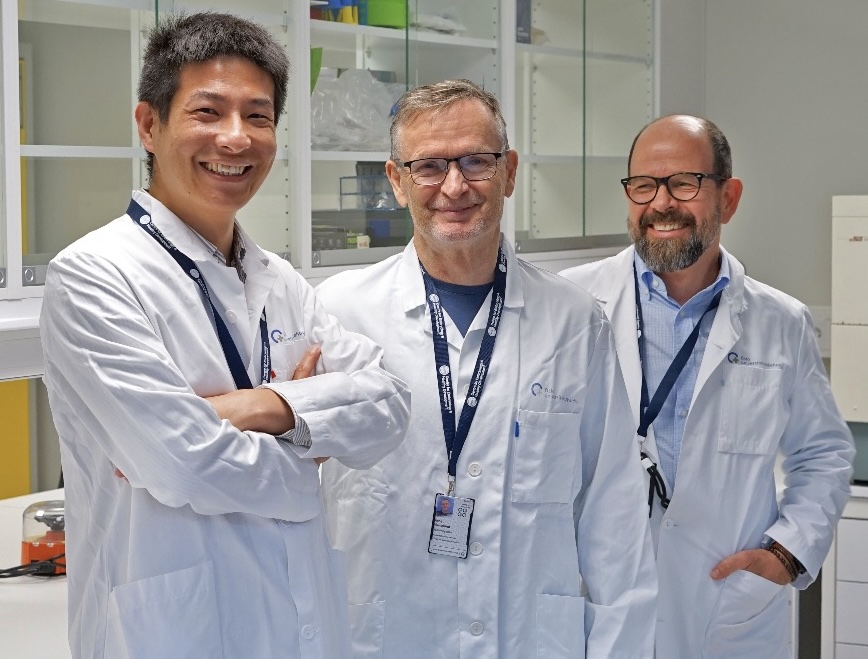
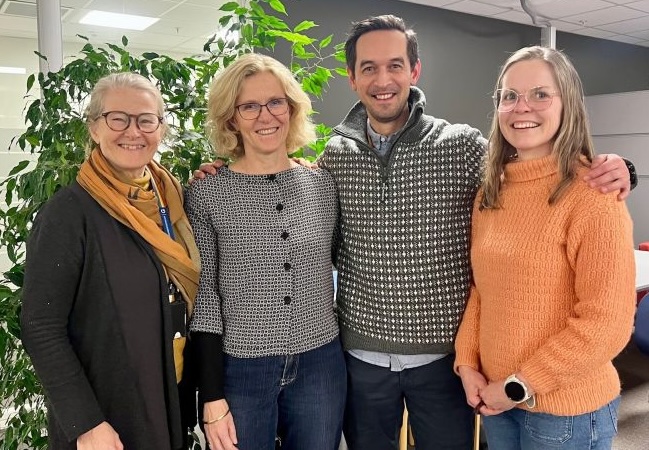
Yanjiao Li, Arne Klungland and Peter Fedorcsak. Photo: Guro Flor Lien

Yanjiao Li, researcher form the Department of Microbiology at Oslo University Hospital and CRESCO Centre for embryology and healthy development (UiO), has received 10 million Norwegian kroner in FRIPRO funding from the Research Council of Norway. FRIPRO is awarded for frontier research with the potential to push the boundaries of knowledge.
One in six people experiences infertility. Assisted reproductive technologies (ARTs)-babies now account for 6% of all newborns. Although in vitro fertilization (IVF) helps many, it still fails often. Only about half of the fertilized eggs grow into blastocysts, the stage where they are implanted in the uterus. Not every transferred embryo results in pregnancy.

Top-ranked research substantially funded:Srdjan Djurovic supported by the Top Researchers program

Srdjan Djurovic
Srdjan Djurovic

Srdjan Djurovic recieves 40 millioner NOK from the Top Researchers program (Toppforsk) hosted by The Research Council of Norway to find out if it is possible to predict Alzheimer disease at an early stage. The supported project is entitled "Multimodal metabolic markers for mechanisms and predictive trajectories of Alzheimer's disease".
This disease starts long before the symptoms appear, often several decades earlier. Djurovic and his research group will “go back in time” and analyze blood samples from people in their 40s and 50s to find hereditary metabolic markers that can warn of risk. 

Inven2 award:Regulation of cell division project led by Beate Grallert wins innovation campaign

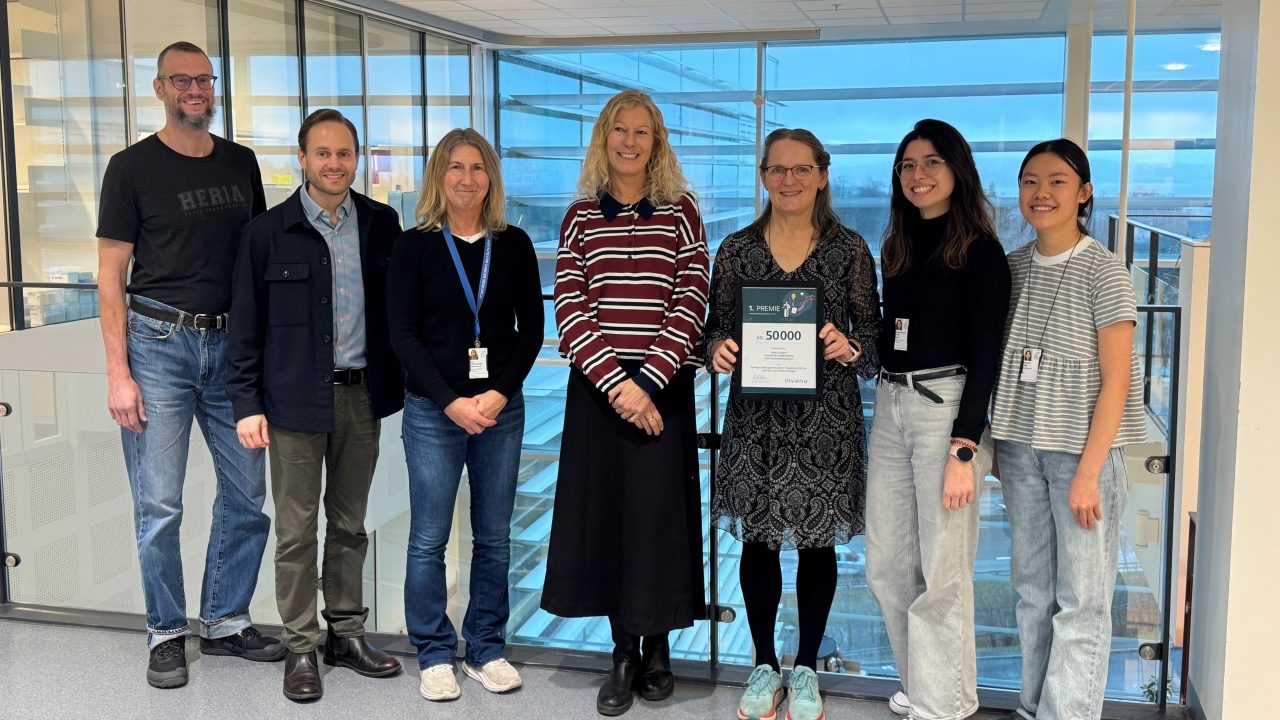
For the second year in a row, Inven2, in collaboration with Oslo University Hospital (OUS), has conducted an innovation campaign to highlight research-based ideas with commercial potential from OUS. In this year's competition, Beata Grallert from the Institute of Cancer Research came out on top. Her project, which investigates the regulation of cell division, impressed the jury with the groundbreaking new regulatory mechanism she discovered. This opens up completely new possibilities for the treatment of cancer.

Bringing science and the patient perspective together:The SISAQOL-IMI consortium launches standards and tools for patient-reported endpoints (PRO) in cancer clinical trials

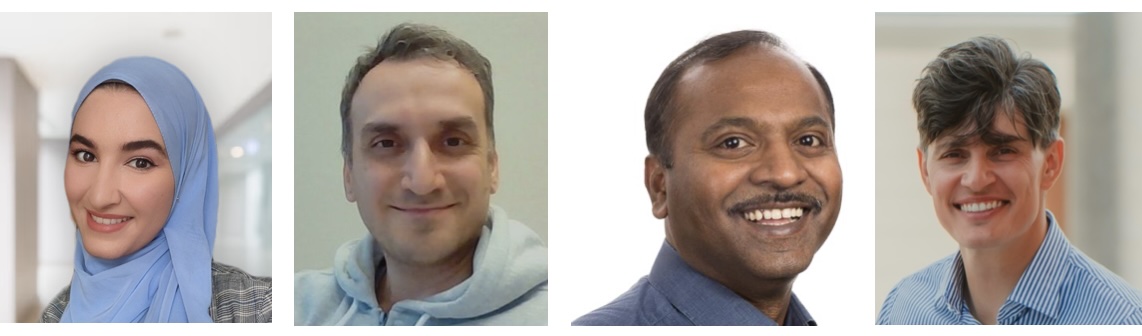
OUS co-authors (from left): Bjordal, Amdal, Joseph and Falk

SISAQOL-IMI (Setting International Standards of Patient-Reported Outcomes and Quality of Life Endpoints in Cancer Clinical Trials) is pleased to announce the publication of a central article in The Lancet Oncology, along with the release of a number of useful tools.
Oslo University Hospital HF has been an active partner in the consortium, and leading work package 7, which was responsible for the consensus process and the final project deliverables. OUS co-authors on the SISAQOL-IMI publication are Cecilie Delphin Amdal (first author), Ragnhild Falk, Kenth-Louis Hansen Joseph and Kristin Bjordal (joint last author) .

Ceremony on December 3rdOslo University Hospital has awarded 6 excellent articles for the first half-year of 2025

In order to stimulate excellent research and draw attention to the hospital's research activity, Oslo University Hospital rewards outstanding publications twice a year. Six research groups were awarded for their excellent papers published the first half-year of 2025 during a ceremony on December 3rd. Each group received NOK 50.000 earmarked for further research, and the prize winners gave short presentations of their findings.

The awards for outstanding research articles are distributed twice a year based on more than 2,400 scientific articles published annually by OUS. The division's research committees nominate the articles and an external committee evaluates and finally selects the six worthy winners.

Attention in Norwegian media:Surprisingly Many Teens Report Hallucinations and Delusions

Viktoria Birkenæs
Viktoria Birkenæs

Have you ever experienced hearing the voice of a grandmother or grandfather who has recently died, and perceived the voice as real?
Experiences like these are more common than you might think. As many as 10–17% report so-called psychosis-like experiences during their lifetime.
In her doctoral thesis, Viktoria Birkenæs found that 30% of 22,000 Norwegian adolescents reported psychosis-like experiences. Although the vast majority did not develop a psychiatric disorder, those who reported these experiences had a higher risk of receiving a diagnosis of mental illness.

More news from the archive